
Love and Environmental Responsibility
Dear SAWA community,
February is widely known as a month filled with love. As it comes to a close, it has us reflecting more broadly on the connection between the care we hold for our land, resources, communities, and future generations with the responsibility to protect them that naturally follows.
Environmental responsibility is not abstract. It is rooted in protection, stewardship and accountability. Across the MENA region and its diaspora, love for land and resources has long been embedded in our culture and tradition. Sustainability, in many ways, is a continuation of that legacy. We have to adapt how we interact with our land and resources to the challenges we face today.
This month’s edition explores how responsibility is shaped by connection: to place, to people, to futures.
Until next time,
The SAWA team
P.S.,
ICYMI: We recently shared our latest LinkedIn roundup of sustainability roles across the MENA region. We’ll be consistently posting about new opportunities on our page - make sure to follow us there so you don’t miss out.
Save the date: We’re hosting our first SAWA gathering in London on Monday, March 23rd at 7pm GMT. We’re looking forward to bringing members of our community in person to connect and exchange ideas and resources. RSVP through this link and we’ll be in touch with details.
And if you haven’t already, don’t forget to join our SAWA WhatsApp community to stay connected with real-time discussions and updates.
Calling for Volunteers
We’re looking to grow our offering even further. Are you interested in volunteering with SAWA?
Whether you’d like to contribute to content, support our socials, help with outreach or event planning in your city, or something else you’d like to lead on, we’d love to hear from you. Fill out our interest form here, and we’ll be in touch.
Dates to Watch
Each month, we spotlight a global or regional environmental date that resonates with SAWA’s mission.
February 2: World Wetlands Day | Protecting Our Water, Protecting Our Future
Wetlands are among the most powerful yet overlooked ecosystems on the planet. They act as natural carbon sinks, protect against floods, filter water, and support biodiversity. Yet globally, wetlands are disappearing three times faster than forests.
In our region, this is personal. From the Mesopotamian Marshes in Iraq to the Nile Delta in Egypt and coastal wetlands across North Africa, these ecosystems are critical for food security, migration routes, and climate resilience. As water scarcity intensifies across the MENA world, wetlands are not just environmental assets; they are strategic infrastructure.
How you can engage this month:
Share a case study or article on wetlands in your home country.
If you work in policy, research, or finance, explore how nature-based solutions are being integrated into adaptation planning.
Support or spotlight local organisations working on water or ecosystem restoration.
Reflect on how your own field, whether urban planning, engineering, finance, or communications, can integrate nature-positive thinking.
February 11: International Day of Women and Girls in Science | Representation Shapes Innovation
Climate and sustainability challenges require scientific leadership. Yet women, particularly from the MENA region, remain underrepresented in STEM fields and senior research positions.
For SAWA, this day is about visibility and access. Many MENA women across the diaspora are leading research in climate modelling, renewable energy, biodiversity, and sustainable finance. Amplifying their work strengthens both representation and outcomes.
How you can engage this month:
Reflect on and highlight a MENA woman scientist or sustainability leader you admire.
Share research or publications from women in your professional network.
Think about how your workplace supports inclusion in technical and policy roles and how you could improve it.
What We’re Reading: Food Sovereignty in MENA
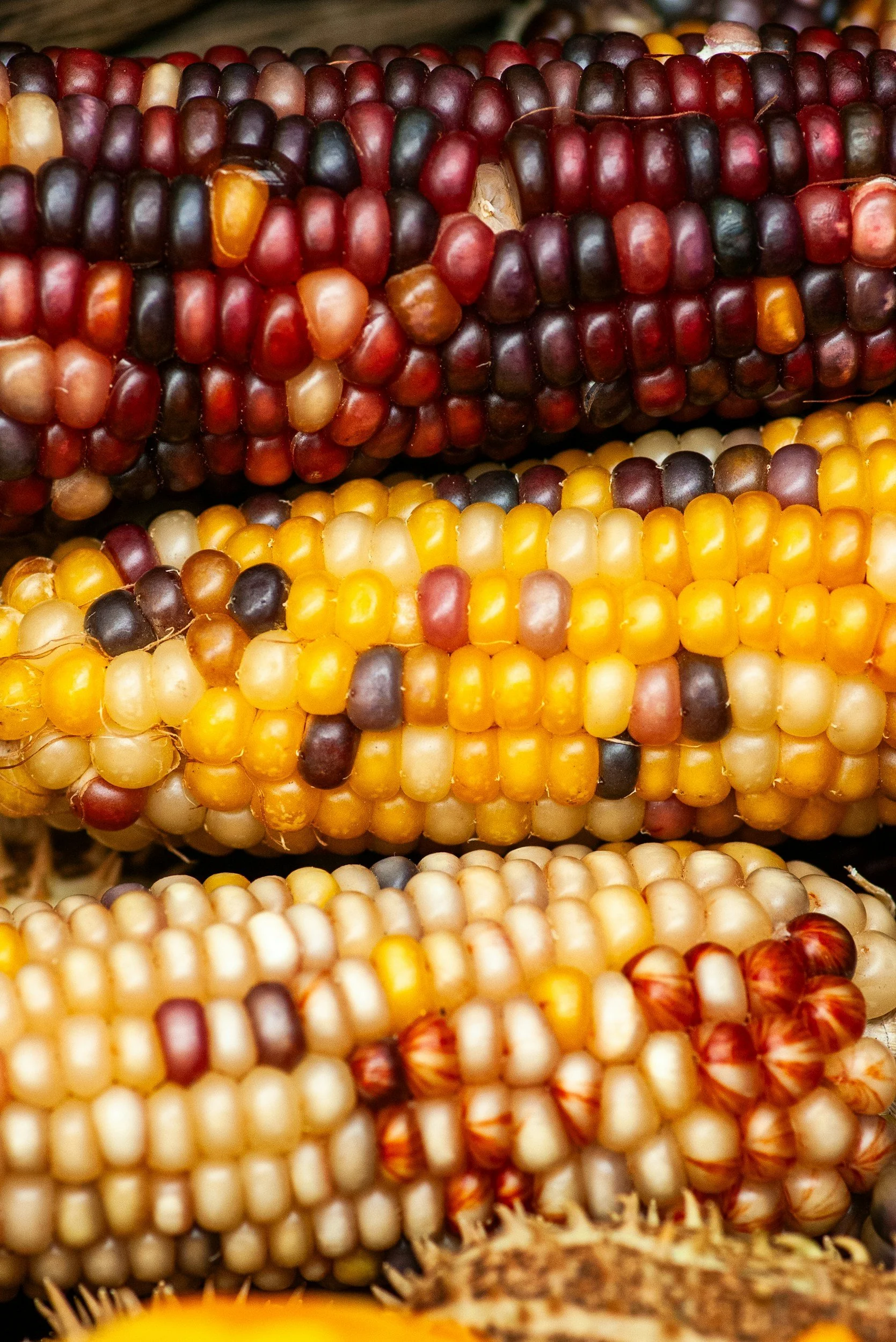
Environmental responsibility is centred around care: how we manage and protect the resources that sustain our communities today and in the future. This month, in line with our theme, we’re reading Zeina Moneer’s article in Earth.Org, “Why Food Sovereignty is the Key to MENA’s Climate Resilience”, which connects care for land, water and food systems to resilience and justice across the region.
Moneer highlights a critical distinction: food security measures availability and affordability of food, but is less concerned with who actually controls food systems. Food sovereignty, in contrast, emphasises community control over agricultural practices, land, water, and resources, ensuring that the people who depend on them have a voice in shaping them.
The article examines case studies across the region that show structural inequities currently existing within MENA’s food systems:
Lebanon: Land and seed regulations favour large commercial operators, marginalising traditional practices and farmer-managed seed systems.
Egypt: Large-scale land reclamation and irrigation projects benefit agribusiness over smallholders, concentrating water and land access that could harm the long-term resilience of rural food systems.
Morocco: Export-focused modernisation policies prioritise high-value crops and large-scale farmers, limiting equal water access and technical resources.
Food provides a pathway to tackle these structural inequities As climate change and water scarcity worsen, Moneer argues, “future food policies must prioritize the empowerment of smallholders, the protection of farmer-managed seed systems, and equitable access to land and water resources, while integrating social, ecological, and cultural considerations into agricultural planning.”
Read the full article here.
What We’re Listening To
This month, we’ve been listening to Biomimicry and Circular Systems: Designing for Resilience from Learning from Nature: the Biomimicry Podcast, featuring Rana Hajirasouli, founder of UAE-based climate-tech startup, the Surpluss. This episode explores how industrial systems can be redesigned using principles from nature (reciprocity, adaptive exchange, and distributed networks), challenging the idea that waste is inevitable.
Through a digital marketplace model, The Surpluss transforms excess materials into shared value, enabling unexpected exchanges between companies that would not normally intersect. Rather than focusing on growth for its own sake, Rana frames resilience as the ability to maintain function through collaboration.
In a region navigating supply chain fragility and data gaps, Rana’s emphasis on visibility and locally attuned networks feel particularly relevant. When surplus is invisible, it tends to become waste. However, when it’s mapped and shared, it becomes resilient. Her argument is that circular systems require collaboration and cannot function in silos, making biomimicry feel more operational rather than philosophical.
Careers Corner
In this corner, you’ll find a monthly roundup of impact-driven roles, opportunities and practical advice from the region and its diaspora. We also regularly share roundups on LinkedIn, so be sure to check out our page!
Jobs on the SAWA Radar:
EMEA
AMER
Committee tip of the month:
“In sustainability careers, I have found that visibility matters just as much as capability. If you have been doing impactful work, don’t keep it to yourself! Share your reflections, projects you are working on, lessons learned, and industry insights. Building a visible track record helps position you as an active practitioner in the industry, hopefully opening more doors.” - Miriam, SAWA Co-Founder, based in London, UK.
Have a tip you’d like to share? We’d love to hear it! Fill out this form to share more.
Language of Environmental Justice
Each month, we spotlight a key term to help build shared understanding around intersectional sustainability.
February’s Term: Intergenerational Climate Justice
Underlying all sustainability conversations - including those on emissions targets, adaptation timelines, implementation pathways, reduction technology, and more - is a quieter principle: responsibility across generations.
Intergenerational climate justice refers to our collective responsibility to ensure that present-day decisions to meet our needs do not compromise the ability of future generations to meet their own needs. It asks us to not only consider immediate benefits, but also long-term consequences. Read more here.
In the MENA region, this concept resonates deeply. We face water scarcity, land degradation threatening food security, urban heating in our own lived realities. Many communities are presently navigating environmental strain while also being forced to confront political and economic instability. If we are not careful, we risk putting our future generations in an even more dire situation.
Through this lens, environmental responsibility becomes an extension of cultural continuity. We have to safeguard our resources and protect our ecosystems so that future generations from the region inherit resilience, rather than depletion.
As we close out February, we invite you to reflect:
How do my professional and personal choices contribute to long-term resilience?
What does responsible growth look like in our region?
Read more about intergenerational climate justice here.
Is this a topic you think of often? Reach out - we’d love to hear more about your take!
Stay Connected with SAWA
Stay connected with updates, opportunities, networking, events and more on our LinkedIn, Instagram and website.
Thank You
Thank you for being part of our community.
If you have any thoughts, ideas or requests for our next newsletter - please get in touch. We’d love to hear from you!
SAWA exists because of our shared commitment to a better future. As we move toward March, and our first in-person gathering in London, we’re looking forward to growing our conversations in communities.
With gratitude,
The SAWA Team